You Wake Up Puffy. Coffee Doesn't Fix The Exhaustion Anymore. Your Belly Looks Pregnant.
These aren't random symptoms.
They're all part of the same story. And it isn't a willpower problem.
- Why what worked at 25 may not work now
- Why eating less and doing more cardio can backfire
- What may actually be driving the changes
Real Changes From Real Clients
These transformation examples show the kind of physical changes clients can work toward with a structured approach built around their individual situation.




Individual results vary. These examples are not a guarantee of future results.
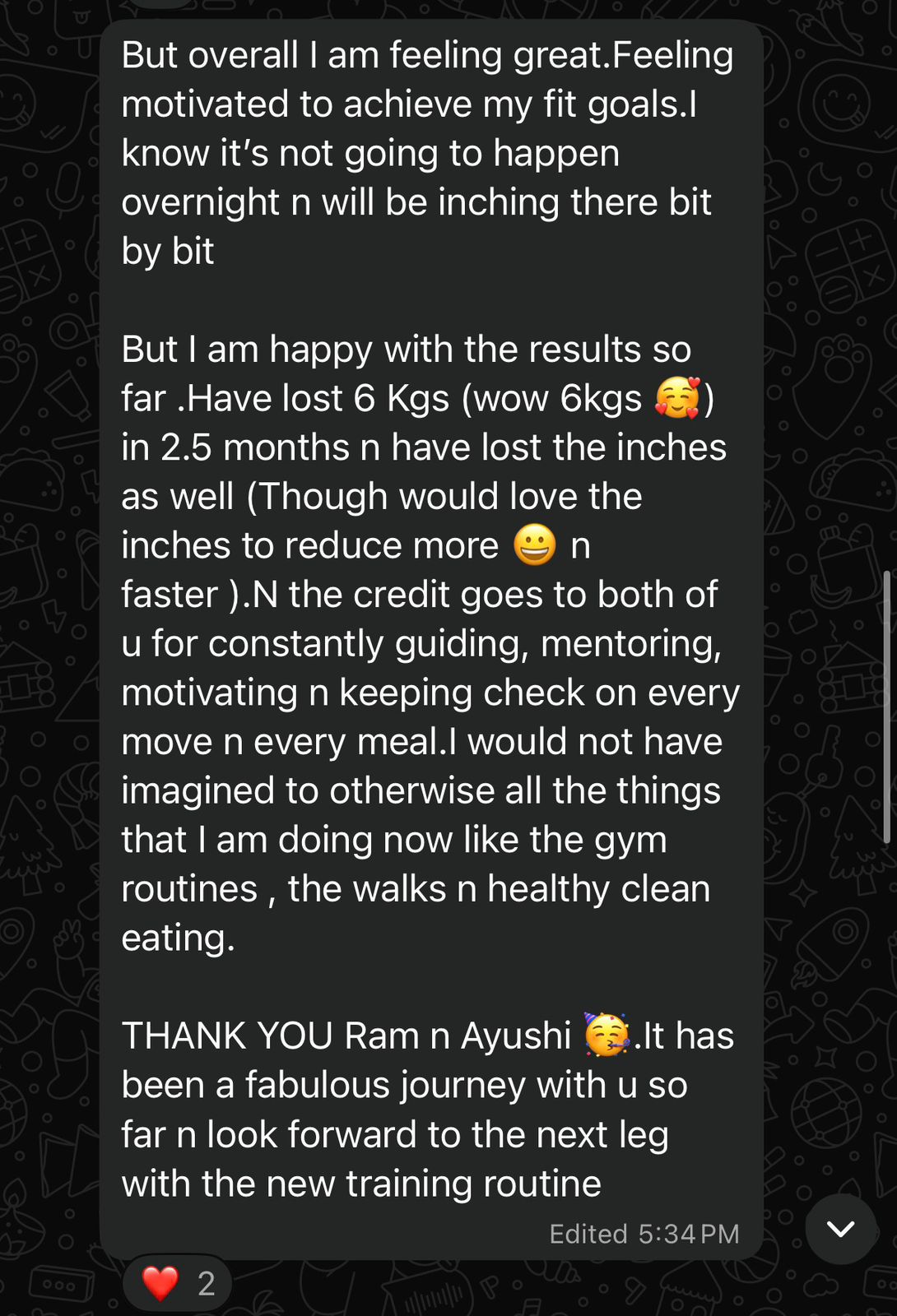
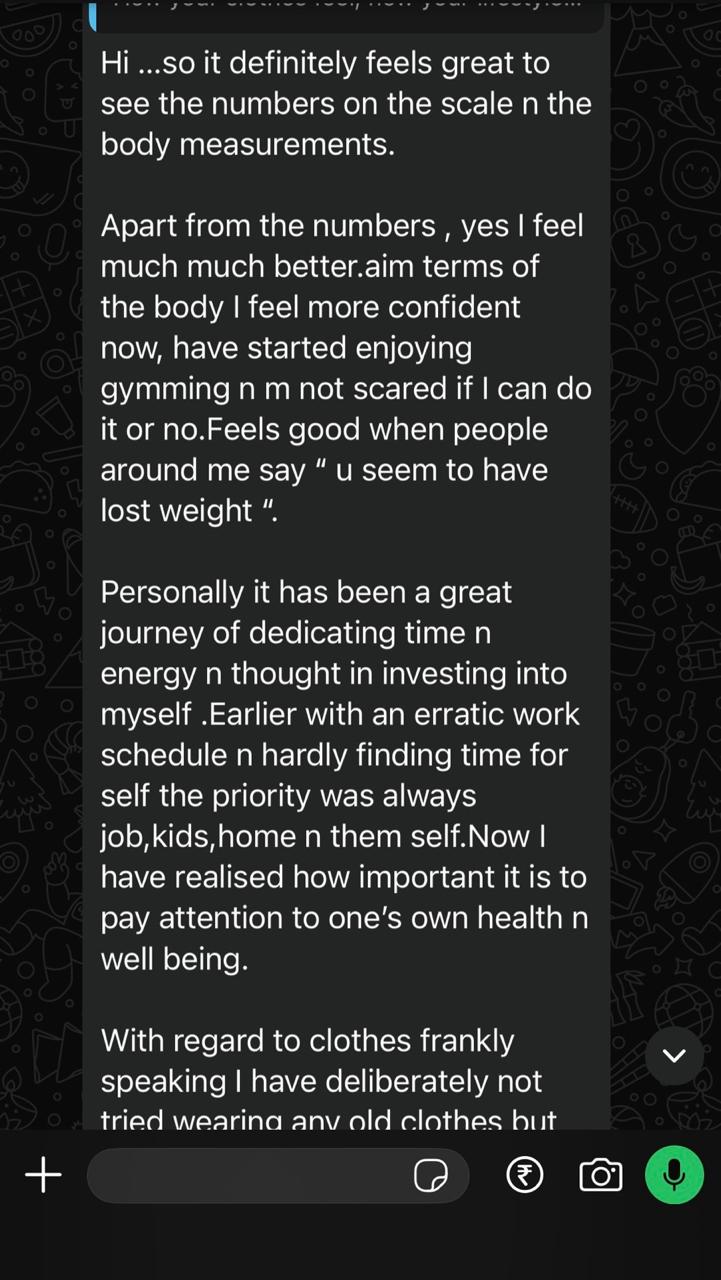
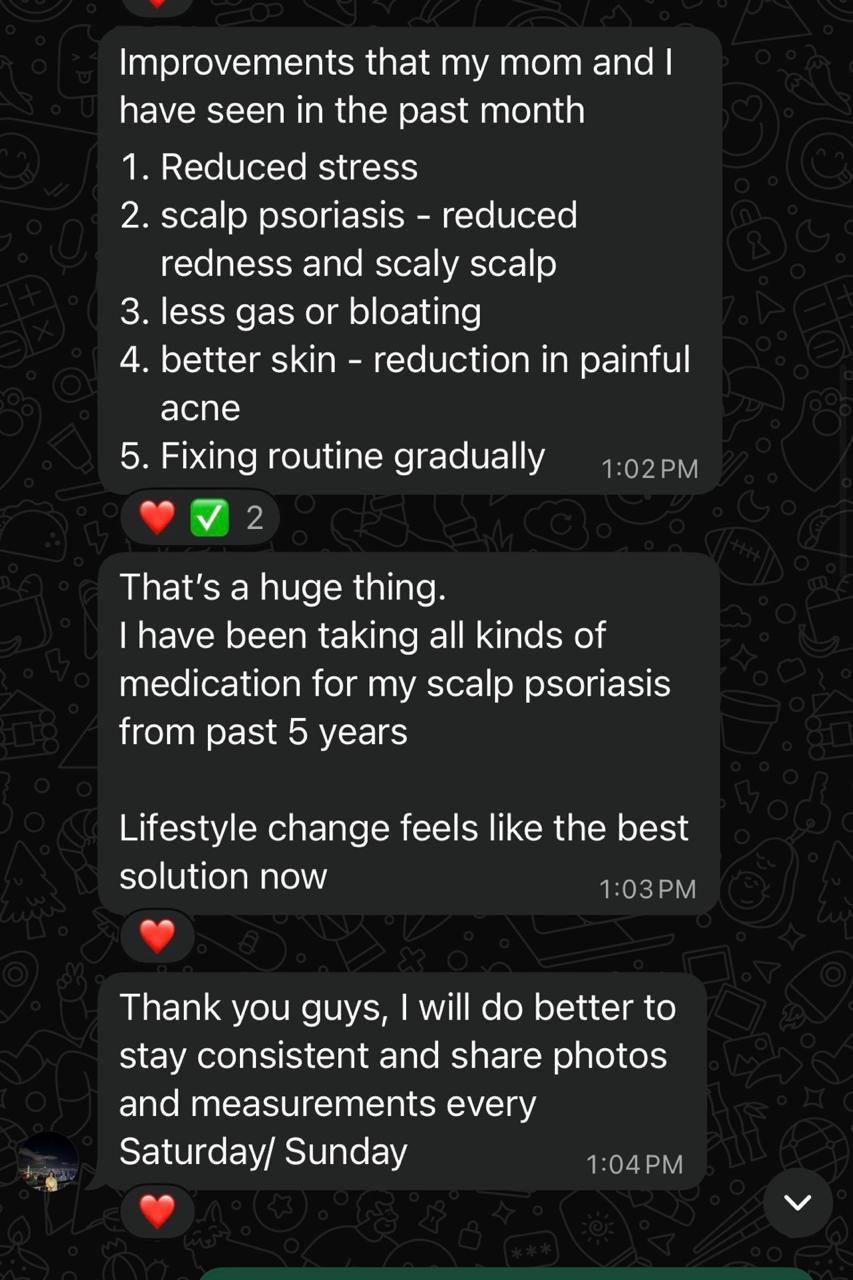
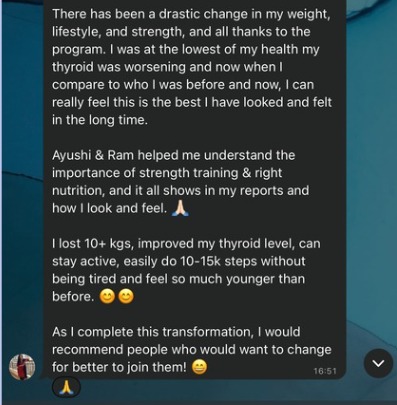
Hear What Clients Have To Say
Real conversations and feedback from women who've gone through the process.
You're Not Imagining The Change
You haven't necessarily started eating more. You haven't suddenly lost discipline. Yet your body is responding differently than it did years ago.
The strategies that once worked — calorie restriction, fasting, low-carb eating and extra cardio — can become increasingly difficult to sustain while leaving you exhausted, hungry and frustrated.
And when the scale stalls, the usual advice is simple: eat less and move more.
But your body isn't operating under the exact same conditions it was at 35. Your training, nutrition, recovery, sleep and muscle mass all matter.
The first step isn't another diet. It's understanding what changed.
These Are The Questions You May Be Asking
More Effort Isn't Always The Answer
Eat Less
Cut portions, slash calories and try to “be stricter.” The result can be more hunger, less energy and another rebound.
Do More Cardio
Add longer walks, extra classes or more cardio sessions without addressing the rest of the picture.
Start Another Challenge
A new plan gives you motivation for a few weeks, but motivation alone doesn't build a sustainable strategy.
Your Body Isn't A Problem You Can Solve By Trying Harder.
The goal isn't to blame your age. It's to understand what has changed and build a strategy that works with those changes instead of fighting them.
A More Sustainable Way Forward
Instead of another temporary challenge, the focus is on understanding your starting point and building the right combination of habits around your life.
Understand Your Starting Point
Look at your current eating, movement, training, sleep, recovery, stress and schedule before deciding what needs to change.
Build Around Your Actual Week
Create realistic nutrition and training habits that fit your work, family responsibilities, travel and social life.
Make Progress You Can Maintain
Adjust the strategy based on what is actually working rather than starting over every time something becomes difficult.
More Than A Number On The Scale
Less Frustration
Stop jumping from one diet or challenge to the next without understanding why the previous one stalled.
Better Energy
Build nutrition, movement and recovery habits that support your actual lifestyle.
More Confidence
Understand what your body needs now instead of assuming you've somehow lost your discipline.
A Sustainable Routine
Build a plan that fits around your work, family and schedule instead of asking your life to fit around the plan.
What You'll Walk Away With
A Clearer Picture
Understand the major factors that may be affecting your current weight, energy and recovery.
What To Stop Doing
Identify habits or strategies that may be making the process harder rather than easier.
What To Focus On
Understand the areas that deserve the most attention based on your actual situation.
A Realistic Next Step
Get a direction that takes your actual calendar and lifestyle into account.
How Many More Times Are You Going To Start Over?
One conversation can help you understand why the old approach stopped working and what deserves your attention now.